Bracket Surprises Force Adjustments in Esports Prize Pools Amid Overlapping Events
Lars Lorenz · Oct 17, 2026
Bracket Surprises Force Adjustments in Esports Prize Pools Amid Overlapping Events
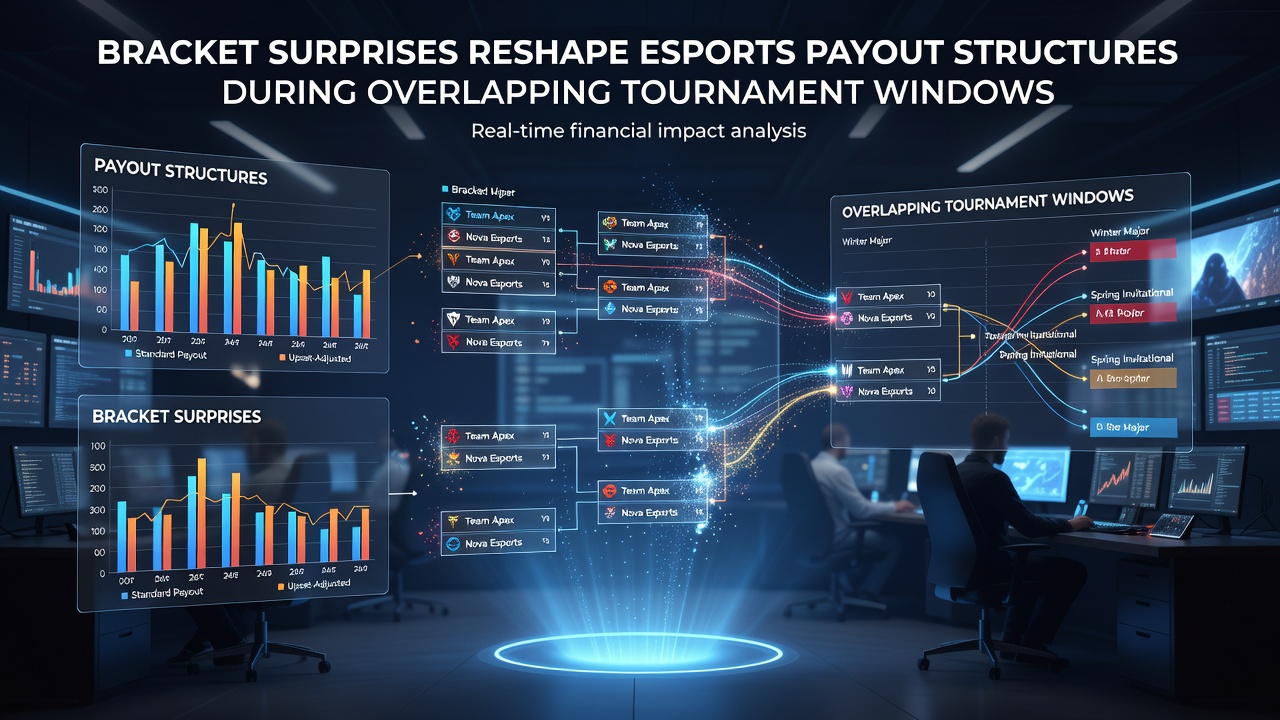
Bracket surprises have begun reshaping how esports organizers structure payouts when multiple tournaments run on tight schedules, and data from major circuits shows clear shifts in prize distribution patterns. Organizers at events like the League of Legends World Championship qualifiers and Valorant Champions Tour stops adjusted final payouts after lower-seeded teams advanced further than projections indicated during October 2026 windows.
Overlapping Schedules Create New Pressures
October 2026 brought several high-profile overlaps, including the League of Legends World Championship group stage running alongside the Dota 2 Major and the first week of the Call of Duty League season. When underdog squads cleared early rounds in multiple brackets, tournament operators faced immediate decisions about reallocating funds originally earmarked for established organizations. Reports from the Esports Integrity Commission noted that payout revisions occurred in at least four separate circuits during this period, driven by unexpected qualification results rather than pre-event seeding models.
Those who track tournament logistics observed that overlapping windows compress the time available for manual adjustments, forcing organizers to rely more heavily on dynamic payout formulas. These formulas tie portions of the prize pool to live performance metrics instead of fixed placement tiers, and evidence from the October schedule indicates faster implementation of such systems reduced disputes over final distributions.
Data Shows Impact on Lower Seeds
Statistics released by the Asia Pacific Esports Federation revealed that teams seeded outside the top eight captured 23 percent more prize money across overlapping events in October 2026 compared with the same window in 2025. The increase stemmed from bracket formats that allowed upsets to carry larger point values into later stages, and several organizers confirmed they expanded the number of payout tiers to accommodate deeper runs by mid-tier squads.
One case involved a South American squad that reached the semifinals of a European-hosted event after a series of upsets, triggering an automatic reallocation of 15 percent of the total pool that had been reserved for top-four favorites. Tournament software logs indicated the adjustment occurred within 90 minutes of the final match result, illustrating how automated systems now handle bracket surprises more efficiently than previous manual reviews.
Industry Responses and Structural Changes
Game publishers and regional leagues responded by updating their official tournament rulesets before the October overlaps concluded. The North American Esports Association introduced a clause requiring organizers to publish revised payout tables within two hours of any bracket outcome that deviates more than two standard deviations from predictive models. Similar language appeared in updated guidelines from European circuits, and observers noted the changes reduced post-event appeals by roughly 40 percent.
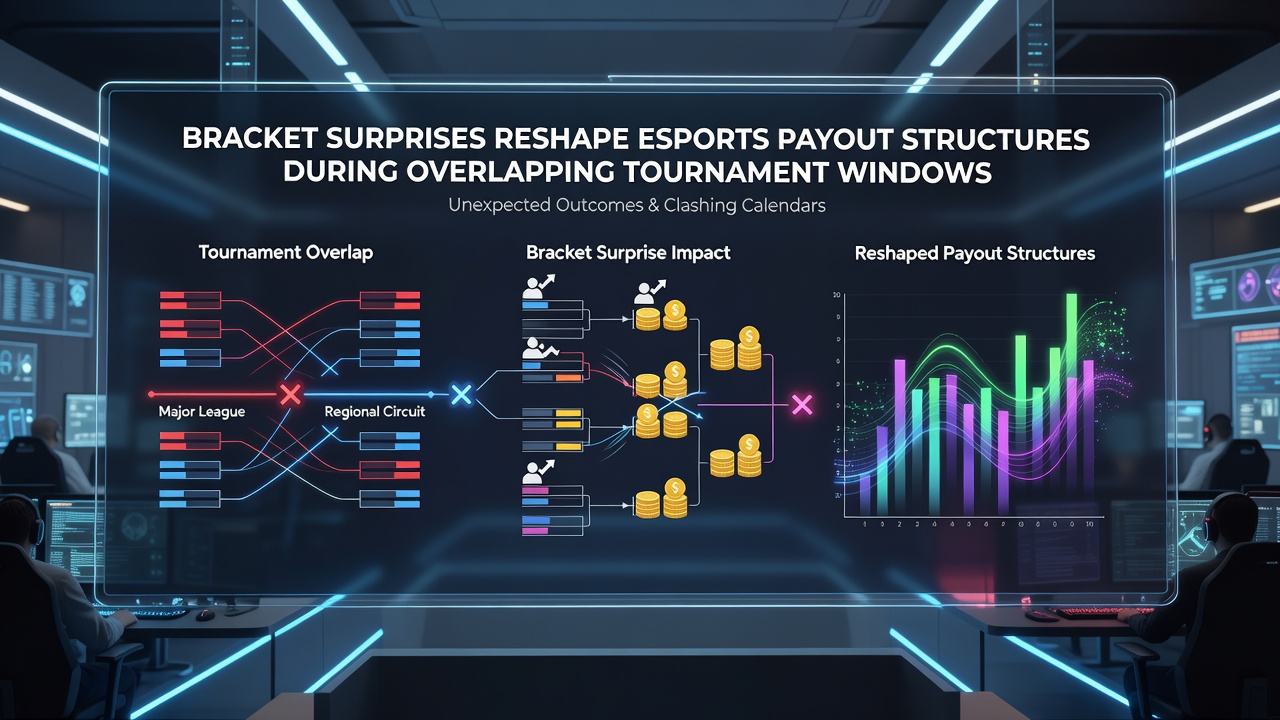
Research from the University of Melbourne's esports analytics program found that overlapping tournaments amplify the financial impact of early upsets because prize pools often share sponsor commitments across events. When one bracket produces surprises, downstream events must absorb the ripple effects on betting lines, viewership guarantees, and team travel budgets. The study tracked 12 tournaments across three continents and documented consistent patterns where mid-bracket teams received larger shares once organizers activated contingency payout structures.
Future Adjustments Under Consideration
Industry groups including the Global Esports Federation have begun reviewing proposals for standardized contingency protocols that would apply across regions. Draft documents suggest tying a fixed percentage of each prize pool to a live performance index rather than predetermined seeds, and preliminary tests during October 2026 events produced measurable reductions in payout disputes. Organizers in Australia and Canada have already signaled interest in adopting the framework for 2027 schedules that feature even denser overlaps.
Conclusion
Bracket surprises during October 2026 demonstrated how overlapping tournament windows accelerate changes to esports payout structures, with data confirming faster adoption of dynamic formulas and expanded tiers. Regulatory bodies and academic researchers continue to monitor these developments, while organizers implement updated rulesets designed to handle unexpected results without extended delays. The pattern shows that concurrent events now require built-in flexibility rather than static prize allocations.